


By Iyoho IEmmanuel
ABUJA – The Resource Justice Network, Nigeria (RJN) has called on the Federal Government, private investors and other stakeholders to urgently bridge the country’s huge energy financing gap, warning that policy commitments without corresponding investment cannot deliver sustainable and reliable energy to Nigerians.
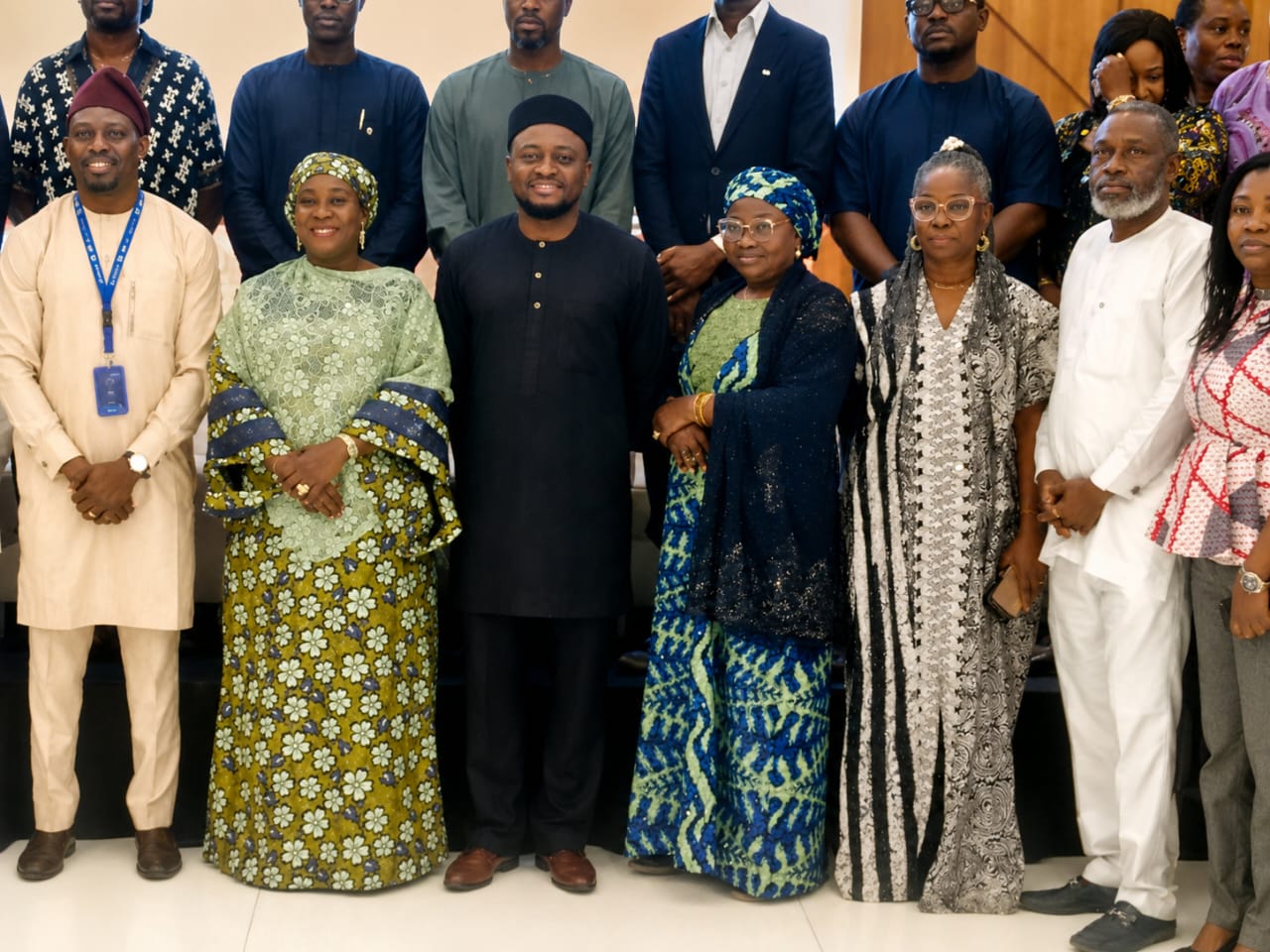
National Secretary of RJN, Nigeria, Professor Helen Bodunde, made the call in a goodwill message delivered at the Sustainable Energy Summit 2026 in Abuja, themed, “Financing Nigeria’s Energy Future: Closing the Gap Between Policy Commitment and Public Investment.”
Bodunde, who spoke on behalf of the organisation, said Nigeria’s energy transition was ambitious but would remain largely aspirational unless government policies were matched with adequate financial investment.
According to her, Nigeria’s Energy Transition Plan requires about $1.9 trillion by 2060, while the power sector currently attracts only about $1 billion annually against an estimated requirement of between $10 billion and $12 billion, creating a financing shortfall of about $11 billion.
She said the persistent underinvestment in the power sector had contributed to more than 100 grid collapses over the past decade, thereby undermining economic growth and public confidence in the country’s electricity system.
The RJN National Secretary also noted that although the removal of fuel subsidy in May 2023 had freed government resources, it had simultaneously intensified economic pressures on citizens through rising transport costs and inflation.
She , therefore, urged the government to channel the fiscal space created by subsidy removal into clean and sustainable energy investments capable of reducing the burden on citizens while supporting long-term economic growth.
Bodunde expressed concern over the inadequacy of climate finance flows into Nigeria, noting that the country currently receives only about $2.5 billion annually, representing barely eight per cent of the estimated $29.7 billion required each year.
She, however, identified Nigeria’s sovereign green bonds as evidence that investors were willing to support sustainable energy initiatives when governance was credible and projects were sufficiently bankable.
According to her, the oversubscription of Nigeria’s Series III sovereign green bond by 183 per cent, alongside Lagos State’s pioneering sub-national green bond issuance, demonstrated the potential for innovative financing to support the country’s energy transition.
She called for stronger collaboration among government, the private sector and civil society organisations to transform Nigeria’s energy policies and commitments into measurable projects and tangible benefits for citizens.
Bodunde advocated the scaling up of innovative financing mechanisms, including blended finance, public-private partnerships and climate-aligned financial instruments, while stressing the need for effective implementation of existing policies.
She also called for equitable access to clean energy, particularly for communities experiencing energy poverty, saying the benefits of Nigeria’s energy transition must directly reach vulnerable communities.
The RJN National Secretary further emphasised the need to invest in human capital through training and skills development to provide the workforce required to drive Nigeria’s transition to clean energy.
“Promises alone cannot power homes, industries or dreams. It is investment, courage and collaboration that will light the path forward,” she said.
Bodunde urged participants at the summit to seize the opportunity to strengthen partnerships, close the energy financing gap and build resilient infrastructure capable of delivering clean, reliable and affordable energy to all Nigerians.
She expressed hope that the deliberations would contribute to building a just, inclusive and sustainable energy future and move Nigeria closer to a resilient and green economy.