


By Iyoho Emmanuel
ABUJA — The Akwa Ibom Council of Traditional Rulers in the Federal Capital Territory (FCT) has pledged to strengthen cultural preservation, promote traditional dispute resolution and foster unity among Akwa Ibom indigenes following its formal integration into the Akwa Ibom community in Abuja.
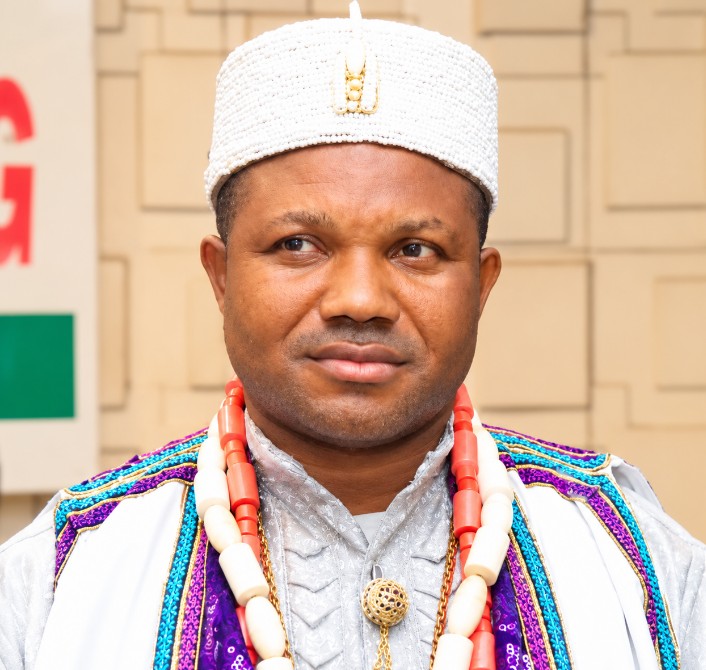
Professor Etimbuk Akpan Okpokpo, who represents the Ikono/Ini Federal Constituency in the council, said the integration would strengthen collaboration between traditional institutions and the community’s leadership in promoting the state’s cultural heritage and addressing the concerns of its people.
Okpokpo spoke shortly after the formal presentation and integration of the council into the Akwa Ibom community during the association’s monthly meeting in Abuja.
He described the development as an important step towards bringing traditional rulers and community leadership together under a common structure to advance the interests of Akwa Ibom indigenes living in the FCT.
According to him, the FCT’s unique character as the nation’s capital, with residents from across the federation, provides an important platform for states to showcase their cultures, traditions and heritage.
He explained that traditional rulers, as custodians of customs and cultural practices, have a critical role to play in preserving the identity and values of their people, making their integration into the community’s structure necessary.
“The challenge was the absence of proper integration with the Akwa Ibom community. Now that integration has taken place, bringing the council and the community together as one,” he said.
The traditional ruler stressed that community leadership and traditional institutions must work hand in hand, noting that neither could function effectively in isolation from the other.
He said the council’s responsibilities would include preserving Akwa Ibom’s cultural heritage, promoting traditional values and encouraging alternative dispute resolution among indigenes.
Okpokpo added that these responsibilities would extend beyond the central Akwa Ibom community in Abuja to the various districts, villages and other community structures across the FCT where Akwa Ibom people reside.
He was optimistic that closer cooperation between the council and community leadership would strengthen the traditional institution’s ability to contribute to peaceful coexistence and the resolution of disputes among indigenes.
The Ikono/Ini representative also urged Akwa Ibom indigenes living in Abuja to embrace unity and actively participate in the activities of their respective federal constituency associations and the wider Akwa Ibom community.
He specifically encouraged those from Ikono and Ini local government areas to identify with their constituency association and contribute to its activities, stressing that active participation would help strengthen community bonds and improve access to available welfare initiatives.
According to him, identifying with the community would also enable indigenes to understand the appropriate channels for seeking assistance when faced with personal or communal challenges.
He explained that matters concerning customs, traditions and cultural practices could be referred to the Council of Traditional Rulers, while welfare concerns and other community-related issues should be brought to the attention of the Akwa Ibom community’s leadership for appropriate action.
Okpokpo further urged eligible indigenes to register and participate in elections, while supporting government programmes aimed at improving the welfare of their people.
He maintained that stronger participation in community affairs would not only promote solidarity among Akwa Ibom people in Abuja but also help ensure that their interests and concerns received appropriate attention.
The professor, who hails from Mbiabong Ikot Etim in Ini Local Government Area of Akwa Ibom State, reaffirmed the importance of collective responsibility in preserving the state’s cultural identity and advancing the welfare of its people in the nation’s capital.