


By Iyoho Emmanuel
ABUJA — A coalition of civil society organisations has raised fresh concerns over the proposed $2.5 billion investment by global meat company(JBS), in Nigeria’s livestock sector, warning that the deal could have far-reaching implications for the country’s food future, land, water resources and the livelihoods of millions of Nigerians.
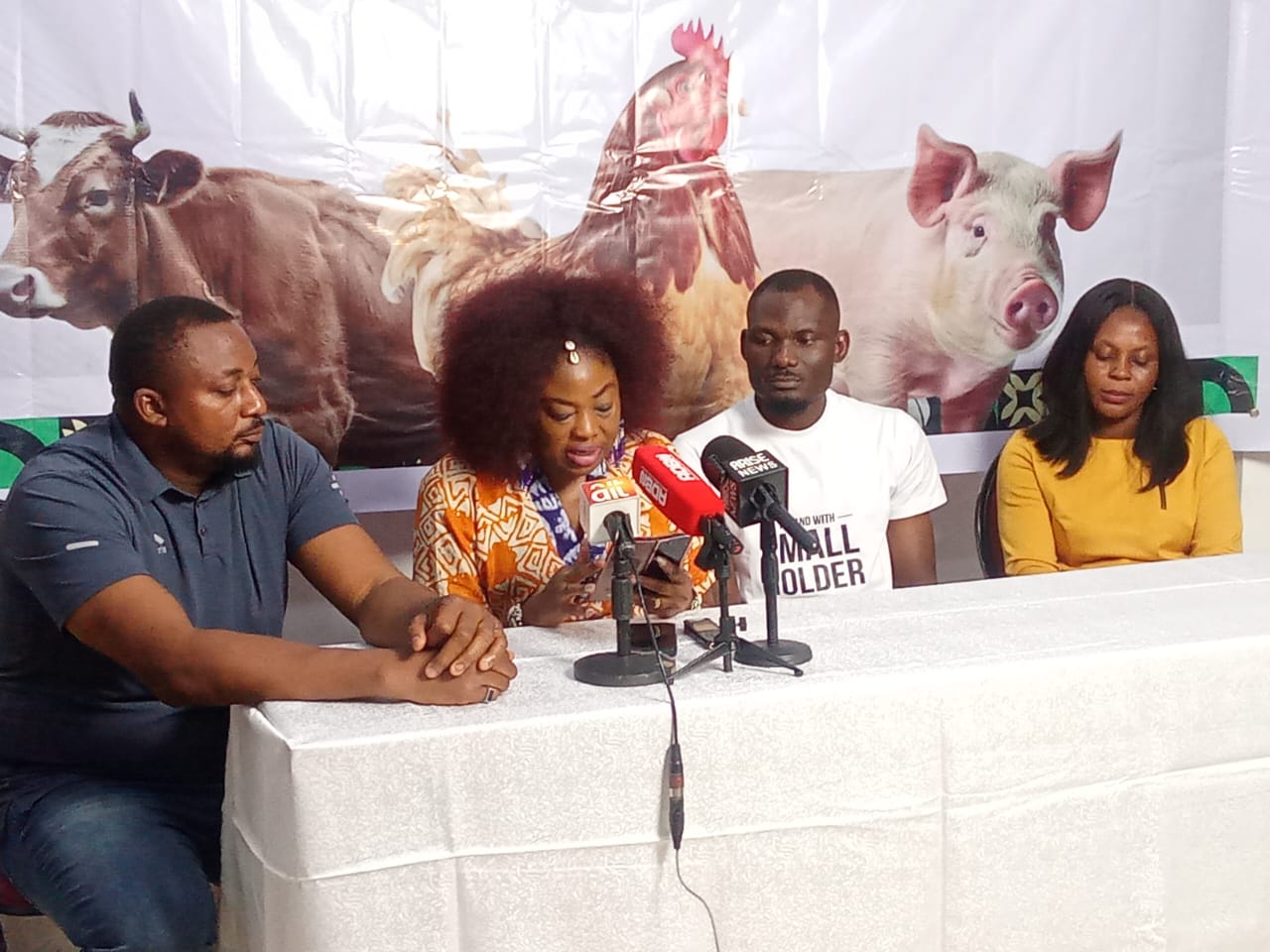
The coalition, comprising farmer and pastoralist groups, women and youth organisations, environmental and animal-welfare groups, said Nigeria’s food future should not be determined through agreements negotiated behind closed doors.
Photo: Iyoho
Emmanuel
In a press statement signed by Opeyemi Elujulo, Executive Director, Youth and Environmental Advocacy Centre (YARN), on behalf of the partners and issued on Thursday, September 24, 2026, after a three-day strategy workshop in Abuja, the group demanded full disclosure of the investment and publication of the Environmental and Social Impact Assessments (ESIAs).
The proposed investment involves the establishment of six industrial meat-processing facilities across the country.
According to the coalition, almost two years after the Federal Government signed a Memorandum of Understanding (MoU) with JBS, the agreement has still not been made public, while no ESIA relating to the project has been published.
The groups warned that the issue goes beyond the establishment of meat-processing facilities, stressing that large-scale expansion of the livestock sector could determine who controls and benefits from Nigeria’s land, water and food resources.
“More output alone does not mean greater food security,” the coalition stated, arguing that critical questions should include who benefits from the investment, who holds power and whether farmers, communities, animals and ecosystems are strengthened or displaced,” it observed.
The coalition expressed solidarity with communities in Niger and Ogun States, which it said were at the frontline of the proposed expansion, alleging that their concerns and rights had not received adequate attention. It specifically called for urgent action on grievances in Niger State relating to land acquisition, resettlement, unfulfilled promises and access to water.
It insisted that no further land allocation, approval or construction should proceed without comprehensive and independent ESIAs covering cumulative effects on land, water and ecosystems.
The groups also called for genuine consultation with affected farmers, pastoralists, women, youths and civil society organisations before decisions are taken.
They invoked Article 24 of the African Charter on Human and Peoples’ Rights, which recognises the right of peoples to a satisfactory environment favourable to their development, arguing that a $2.5 billion industrial livestock expansion without adequate public oversight could undermine that right.
The coalition also raised concerns about JBS’s global record, referring to what it described as links between the company’s supply chain and deforestation in Brazil, as well as reported labour and land-rights concerns.
It further referred to changes reportedly made to JBS’s human rights policy and its climate and deforestation commitments, urging Nigeria to consider international experience.
The coalition cited Australia, where JBS began operations in 2007 amid promises of investment, jobs and food security, noting that the company subsequently became Australia’s largest meat processor, while arguing that increased production alone does not guarantee that local food needs will be prioritised.
The coalition raised concerns over the non-disclosure of the financial structure of the proposed investment. Although the $2.5 billion headline figure is public, details of lender terms, allocation of funds and beneficial ownership of the private investment vehicles remain undisclosed.
It said it had submitted Freedom of Information (FOI) requests to the Federal Ministry of Livestock Development, the Ogun State Ministry of Agriculture and Food Security, and the Niger State Ministry of Livestock and Fisheries, seeking the JBS MoU, related agreements, ESIAs and records of engagement, adding that the requests had yet to be honoured.
It demanded immediate publication of the MoU and related agreements, including land allocation arrangements, incentive packages, financing terms and beneficial ownership details, and called for FOI requests to be answered in line with the Freedom of Information Act, 2011.
The coalition stressed that it was not opposed to investment in Nigeria’s agricultural sector, but insisted such investment must be transparent, accountable, responsive to farmers and communities, and consistent with climate and biodiversity commitments.
It urged government to protect smallholder farmers’ and pastoralists’ access to markets, waterways and groundwater, while strengthening safeguards for animal welfare and public health, and called for greater investment in agroecology, indigenous seeds and resilient local food systems.
“Transparency is not optional. It is the foundation of food security,” the coalition said.