

By Iyoho Emmanuel
ABUJA — A coalition of civil society organisations has demanded the immediate disclosure of the Memorandum of Understanding (MoU) between the Federal Government and global meat-processing giant( JBS) over a proposed US$2.5 billion investment to establish six industrial meat-processing facilities in Nigeria.
The Coalition also called for independent Environmental and Social Impact Assessments (ESIAs), meaningful consultation with affected communities and public hearings by the National Assembly and relevant State Houses of Assembly before the proposed projects proceed.
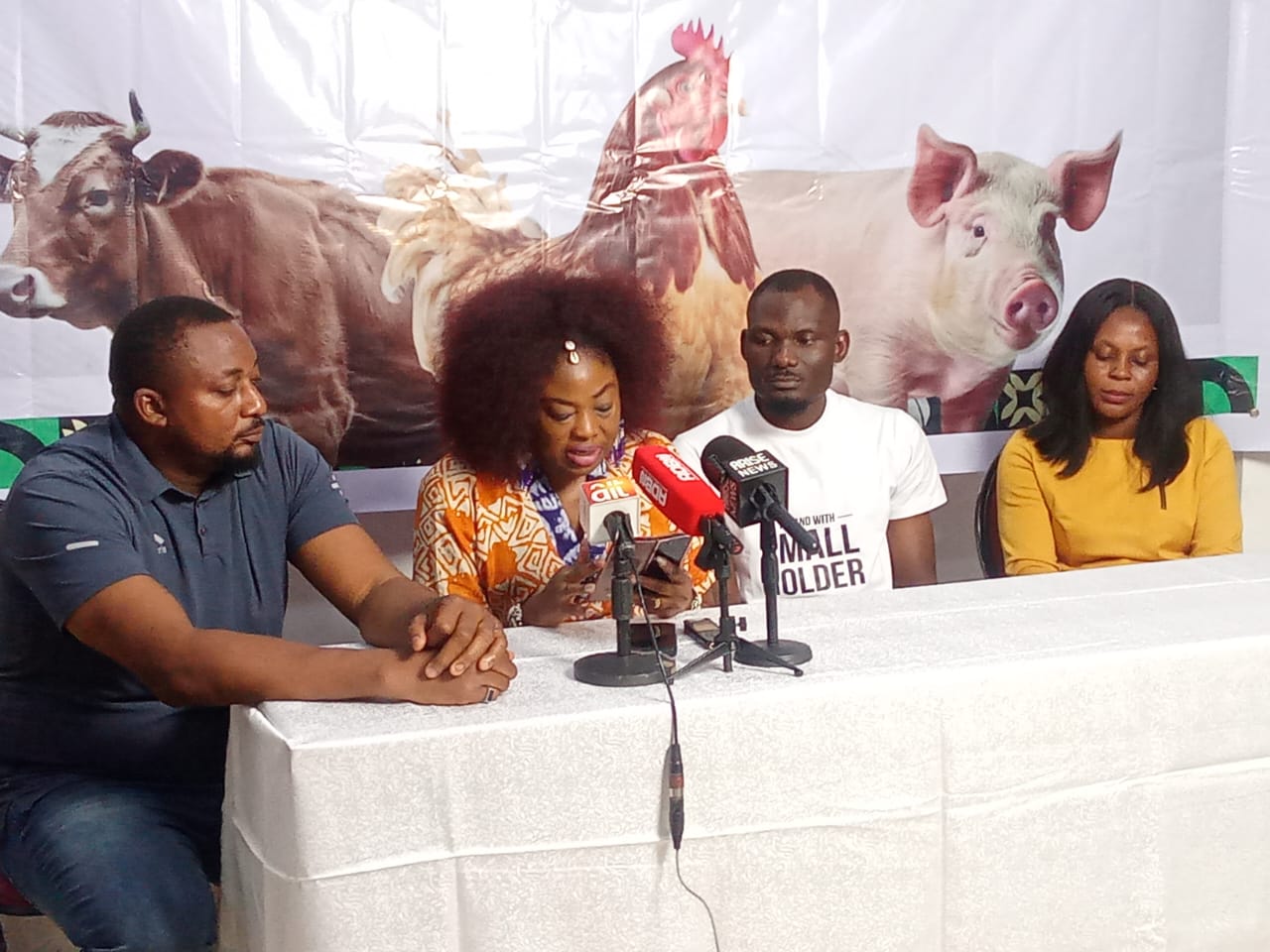
The demands were contained in a communiqué issued at the end of a three-day Civil Society Organisations’ Coalition Workshop on JBS Engagement and Industrial Livestock Expansion in Nigeria, held in Abuja from September 22 to 24, 2026.
The workshop brought together civil society organisations, farmer groups, pastoralist associations, youth and women’s organisations, environmental and animal-welfare groups to review the proposed JBS investment and develop a coordinated strategy around transparency, corporate accountability, food systems, environmental protection and community participation.
The Coalition said the proposed investment was being pursued under an MoU with the federal government whose full contents had not been made public.
It was concerned that the JBS–Nigeria MoU, related agreements, financing arrangements and Environmental and Social Impact Assessments remained undisclosed, while Freedom of Information requests submitted to the Federal Ministry of Livestock Development and relevant authorities in Ogun and Niger States had not yielded the information sought.
According to the Coalition, the public was yet to know the financing terms of the proposed investment, the allocation of the funds, public incentives that may be attached to the project and the beneficial ownership of private investment vehicles involved.
It also alleged that communities expected to host the proposed facilities had not been meaningfully consulted before key decisions were taken.
The Coalition called for the full application of Nigeria’s Freedom of Information Act 2011, urging public institutions that had received requests concerning the proposed investment to respond within the statutory period.
It further urged the federal government to publish all agreements, contracts and partnership frameworks with JBS, while state governments were asked to publish agreements concerning land allocated to the proposed projects.
The organisations demanded that independent and transparent ESIAs, including assessments of cumulative impacts on land, water and ecosystems, be completed, published and presented to affected communities before further land allocation or construction.
They also called for the meaningful participation of affected communities in project planning and approval, including what the Coalition described as free, prior and informed consent.
The Coalition was also concerned about the potential environmental consequences of large-scale industrial livestock production, particularly intensive poultry, beef and pork operations.
It identified possible challenges including the management of large volumes of animal waste, groundwater contamination, air pollution, biodiversity loss and increased greenhouse gas emissions, warning that such impacts could undermine Nigeria’s environmental sustainability objectives and climate commitments.
The organisations also raised public-health concerns, noting that intensive animal-confinement systems could increase the risks associated with zoonotic disease transmission, while excessive or routine antibiotic use could contribute to antimicrobial resistance.
The Coalition said Nigeria’s existing food systems, including pastoralist and herding systems, smallholder mixed farming, traditional poultry production and agroecological practices, should receive greater recognition and support.
It advocated increased public investment in agroecological, community-led, climate-resilient and diversified food systems, as well as stronger protection for smallholder farmers, pastoralists, indigenous seed systems and local knowledge.
The Coalition also referred to the experience of JBS operations in Australia since 2007, arguing that Nigeria should examine the implications of market concentration, farmer dependency and environmental pressures associated with large-scale industrial livestock systems.
It raised concerns about what it described as JBS’s global record on corruption, deforestation, labour and land rights and corporate climate commitments, urging Nigerian authorities to subject the proposed investment to rigorous scrutiny.
The organisations, however, said their campaign was broader than the proposed JBS investment, describing it as a call for transparency, democratic accountability and meaningful participation in decisions concerning Nigeria’s food system.
The Coalition called on the National Assembly and State Houses of Assembly to exercise oversight by holding public hearings on the JBS–Nigeria MoU and the implementation of the National Livestock Transformation Plan (NLTP).
It urged lawmakers to demand the disclosure of all relevant agreements and assessments and provide affected communities with platforms to present their concerns.
The Coalition also called on JBS, its financiers and investors to publicly disclose its plans, impact assessments and supply-chain arrangements for Nigeria and to respect the land rights of affected communities.
Banks, investors and financial regulators were urged to conduct due diligence on the human-rights, environmental and governance implications of the proposed investment before making financing or investment decisions.
The Coalition further called on journalists and media organisations to undertake independent, evidence-based investigations into the proposed investment and its potential impacts, with particular attention to the experiences of farmers, pastoralists and host communities.
It pledged to undertake joint investigations and documentation, pursue coordinated FOI requests, strengthen public awareness through local languages and community-based platforms, and connect Nigerian experiences to regional and international accountability processes.
The organisations also resolved to promote agroecology, defend smallholder farmers’ rights, protect indigenous knowledge and oppose industrial livestock facilities that operate without public accountability, community participation and effective environmental safeguards.
The Coalition maintained that Nigeria had the opportunity to learn from the experiences of other countries before making decisions with long-term implications for its land, water, food systems, environment and communities.
It said Nigerians deserved to know what agreements had been reached, what safeguards were in place, who stood to benefit and what protections existed for communities that might bear the costs of large-scale industrial livestock development.
The communiqué was signed by Youth in Agroecology and Restoration Network, Health of Mother Earth Foundation (HOMEF), Environmental Rights Action (ERA), and HEDA Resource Centre.