

IKOT EKPENE-The Akwa Ibom Commissioner for Health has directed healthcare providers across the state to adhere strictly to the National Treatment Guidelines for Malaria Diagnosis and Treatment ,stressing that accurate diagnosis is critical to effective case management and the prevention of avoidable deaths.
Dr. Ekem John gave the directive while declaring open a two-day Severe Malaria Mortality Review Meeting with the theme, “Strengthening Severe Malaria Case Management and Mortality Review for Quality Improvement in Akwa Ibom State,” held in Ikot Ekpene, recently.
Speaking at the opening of the meeting, John directed all health facilities, including private healthcare facilities, to strictly adhere to the National Guidelines for Malaria Diagnosis and Treatment in managing malaria among children, adults and pregnant women.
He urged that the guidelines be made available to all health facilities across the state to promote compliance, standardise treatment practices and enhance the quality of malaria case management.
John also advocated the use of microscopy alongside malaria Rapid Diagnostic Tests (RDTs) for malaria diagnosis, noting that malaria microscopists had been trained in the state.
He stressed the need to maximise the available expertise and resources to improve the accuracy of malaria diagnosis, adding that proper diagnosis would ensure that patients receive appropriate treatment and contribute to improved management of severe malaria cases.
John further charged medical superintendents, as leaders of their respective facilities, to translate their training and knowledge into actionable outcomes, ensuring that healthcare workers effectively perform their various roles and responsibilities to improve the quality of care provided to patients.
He directed the medical superintendents to regularly update mortality reviews in their facilities and ensure that the Key Performance Indicators (KPIs) of their respective facilities remain current.
The commissioner pointed that proper documentation, regular mortality reviews and continuous monitoring of facility performance were critical to identifying gaps in service delivery and implementing appropriate measures for quality improvement.
John, however, cautioned stakeholders against complacency, stressing that the decline in malaria prevalence should not reduce efforts to strengthen malaria prevention, diagnosis, treatment and case management across the state.
He maintained that the state must continue to critically analyse severe malaria deaths, particularly those that may have been preventable, to identify gaps in case management and develop practical strategies to further reduce malaria related mortality.
John urged participants to critically review the cases presented during the meeting and ensure that lessons learnt and recommendations from the mortality review process were translated into concrete interventions to strengthen malaria prevention, diagnosis, treatment and case management across the state.
In his remarks, the Permanent Secretary, Ministry of Health, Dr. Patrick Essiet, welcomed participants and REACH/PATH partners to the meeting.
Essiet commended the stakeholders for coming together to strengthen severe malaria case management, review malaria related mortality and identify opportunities for improving the quality of healthcare delivery.
He was optimistic that sustained collaboration among the Ministry of Health, healthcare providers and development partners would contribute significantly to reducing malaria related morbidity and mortality and strengthen the state’s efforts to reduce the malaria burden.
Also speaking, the PMI REACH Coordinator in Akwa Ibom State, Mr. Ime Akpan, presented “Introduction to the REACH Malaria Project and Implementation Progress.”
He explained that the Reaching Every At-Risk Community and Household with Malaria Services (REACH) Malaria Project is funded by the Government of the United States of America through the U.S. President’s Malaria Initiative (PMI) and led by PATH.
According to him, the project is designed to strengthen the implementation of quality malaria services, build resilient health systems from the national to the community level, and promote effective leadership in malaria service delivery.
Akpan highlighted the progress recorded under the project in Akwa Ibom , noting that 48 health facilities were currently reached through state-level interventions, while 186 facilities were covered through local government-level interventions.
He added that 30 private health facilities were also being engaged under the project to strengthen malaria service delivery and improve the monitoring of malaria cases.
The PMI REACH Coordinator stressed the importance of sustained collaboration among government, healthcare providers and development partners in strengthening malaria prevention, diagnosis, treatment and case management across the state.
Presenting the objectives of the meeting, the State Malaria Elimination Programme (SMEP) Programme Manager, Dr. Ukeme John, said the meeting was designed to update stakeholders’ knowledge of severe malaria and promote a common understanding of its appropriate management, including timely referral.
She explained that the meeting would also review the burden and patterns of severe malaria morbidity and mortality in Akwa Ibom , as well as conduct structured reviews of severe malaria deaths and near-miss cases reported in selected health facilities across the state.
According to her, the meeting would assess adherence to national and World Health Organization (WHO) recommended severe malaria treatment guidelines across the continuum of care, while developing plans to reactivate regular facility level severe malaria morbidity and mortality reviews.
Ukeme added that participants would develop practical facility and system level recommendations to improve the early recognition, appropriate treatment, monitoring, referral and follow-up of patients with severe malaria.
She said the meeting would also produce an actionable improvement plan with clear responsibilities and measurable indicators aimed at improving severe malaria outcomes in Akwa Ibom .
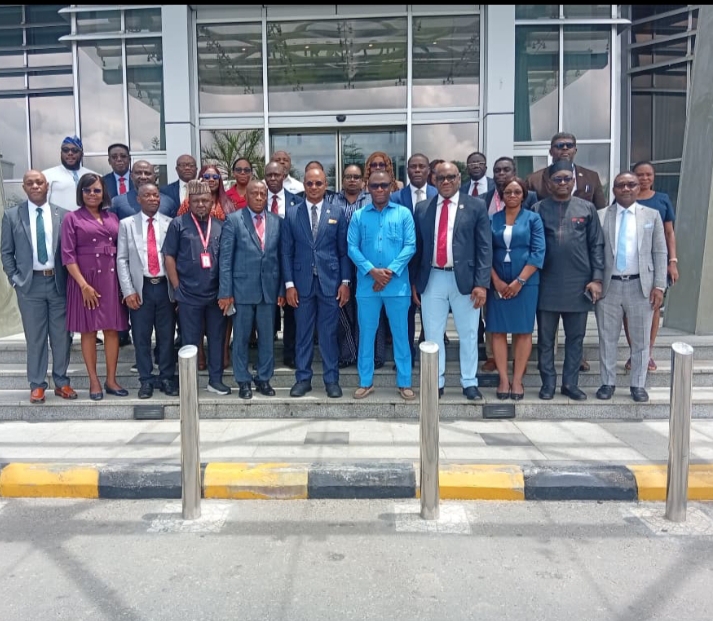
The meeting brought together the Permanent Secretary, Ministry of Health, Dr. Patrick Essiet; the Technical Advisor to the Commissioner for Health, Dr. Etop Antia; the Executive Secretary of the Akwa Ibom State Primary Healthcare Development Agency (AKSPHCDA), Dr. Eno Attah; the Chairman, Medical Advisory Committee (CMAC), University of Uyo Teaching Hospital (UUTH), Professor Udoinyang Inyang; directors from the State Ministry of Health and Hospitals Management Board; medical superintendents; programme managers; REACH/PATH partners and other key stakeholders in the health sector.
The two-day meeting provided an opportunity for stakeholders to review severe malaria mortality cases, identify gaps in case management and develop practical measures to improve the quality of malaria services and health outcomes across Akwa Ibom .